


How Do Brake Upgrades Work?
January 7, 2021
Brake upgrades are a big deal. Far more than just an aesthetic enhancement, upgrading your brake system means giving your track car an edge on race day ‐ or simply improving the feel of your daily commute. But knowing exactly how to upgrade your brake system involves understanding two things: how car brakes work and whether you're looking for full performance upgrades or just a few upgraded replacement parts. Here's the full "brake-down" on how a NISMO brake upgrade can give you exceptional confidence behind the wheel.
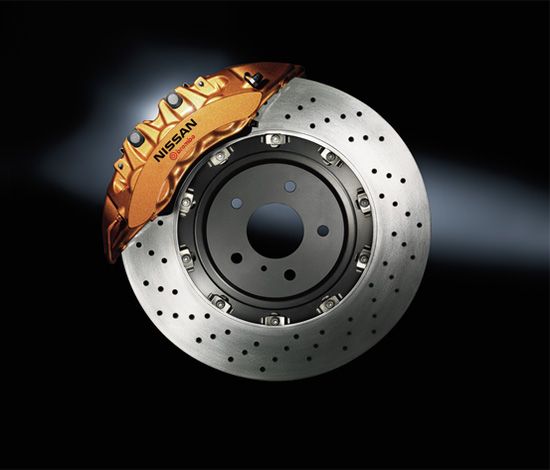
What's Involved in a Brake Upgrade?
Stock brakes ‐ the ones your car came with from the factory ‐ are dependable, but not particularly notable in terms of performance. Certain parts, such as the brake pads, can wear out a little quicker than you might expect and leave you at the auto shop more often than you'd like.
When you decide to upgrade your brakes, you're not simply replacing stock parts with newer stock parts ‐ you're outfitting your car with higher quality parts and materials designed for excellent performance.
A brake system upgrade primarily improves two important features: stopping power and the longevity of your brake parts. That's because brakes can suffer from what's called "brake fade" when subjected to excessive heat and overloading. At certain temperatures and load limits, your brakes can lose effectiveness almost completely.
Brake upgrades aim to help prevent brake fade by improving heat dispersion. At the same time, a brake upgrade can help increase stopping power with bigger parts and better friction material. In other words, upgraded brakes work by slowing down your car faster and preventing excessive heat damage. On the road, that means more control over your vehicle and less time in the repair shop.
Brake Upgrade Components
There are four main components to consider when upgrading your brake system: the rotor, brake pads, calipers, and brake lines. For everyday driving or the occasional high-speed excursion through backcountry roads, upgrading just one or two of these parts can be more than enough to feel a significant improvement in brake performance. For track cars and other performance vehicles, however, you'll want to upgrade the full lineup.
Here are some possible upgrades for each component:
Brake Disc/Rotor
To upgrade your rotors, you can increase the disc's size, change its shape, or both. In terms of greater stopping power, a larger rotor creates more torque to stop the wheels. The larger the distance between where the brake pads are applied and the center of the disc, the greater the stopping force. A larger rotor also creates more surface area over which heat dissipates.
To help reduce wear and tear, many drivers replace their solid stock rotor with either a drilled or slotted rotor. Drilled rotors feature multiple holes across the disc's face, which were originally used to disperse gases from the brake system. Nowadays, however, drilled rotors mostly serve as an aesthetic choice.
A better choice for performance is to use a slotted rotor. Slotted rotors feature grooves in the disc that wipe the brake pads clean with every rotation. This allows for better contact between the pads and rotors to improve friction.
Brake Pads
Brake pad upgrades usually involve bigger pads and better friction material. Like a larger rotor, larger brake pads have more surface area to bite into the disc and slow it down. A larger pad also slows down brake fade by spreading out the wear caused by friction.
In terms of material, many road cars use ceramic pads because they have a lot of bite even when the brakes are cold. Performance vehicles, on the other hand, tend to use semi-metallic brake pads as they can deliver a better "pedal feel" and help prevent brake overheating.
Calipers
Caliper upgrades usually involve installing larger calipers or calipers with larger pistons. If you decide to increase your brake pads' size, you will need a set of larger calipers to house the pads.
The benefit of a caliper with larger pistons (or sometimes simply more pistons) is that the pistons can more evenly apply the brake pad's surface to the rotor. This creates better contact and therefore better stopping power.
Brake Lines
Most commonly, a brake line upgrade involves replacing the rubber stock lines with braided stainless steel lines. Over time and with intensive use, rubber brake lines can "balloon" and lose their shape. This reduces the pressure from the brake fluid and lowers the effectiveness of your brakes. To prevent ballooning and improve pedal firmness, many drivers upgrade to stainless steel brake lines.
The Bottom Line: Performance Brake Upgrades vs. Replacement Parts
As with most automotive enhancements, how far you go depends on the intended application of your upgrades. For standard road cars, usually replacing just one or two of your brake components with upgraded parts is enough to vastly improve your brakes' performance and overall feel.
On the other hand, if you are a racing enthusiast who takes your car to the track every weekend, a more comprehensive brake upgrade is essential ‐ especially for cars with modified engine power. Bigger and better brake components can give your performance vehicle much-needed stability while preventing excessive brake fade from the hard braking and extreme temperatures during a race.
Finally, you may have noticed that upgrades often involve installing bigger brake parts. While bigger is not always better in the automotive world, size actually does matter when it comes to increasing stopping power and reducing brake fade. However, it's important to note that bigger brake parts do not always fit within stock wheel sizes. Always check the minimum wheel size requirement of any big brake kit before installation.
The Best in High-Performance Brakes
Put a stop to disappointing braking performance. Upgrade your brakes with genuine Nissan brake pads, rotors, and more, and consider visiting an authorized service center near you for installation.
Shop 350Z NISMO Rear Caliper Kit Shop Sentra Brake Line Kit Shop Pathfinder NISMO Brake Pad Set