


All Clear? Learn How to Use Your Fog Lights
January 21, 2021
Fog ‐ a thick cloud suspended near the ground's surface ‐ is a phenomenon that can both obscure and decrease your visibility while driving. It's important to remain diligent while on the road in these weather conditions, and fortunately, your fog lights help. Learn the proper way to use your fog lights and signs that it might be time to replace them.
What Are Fog Lights?
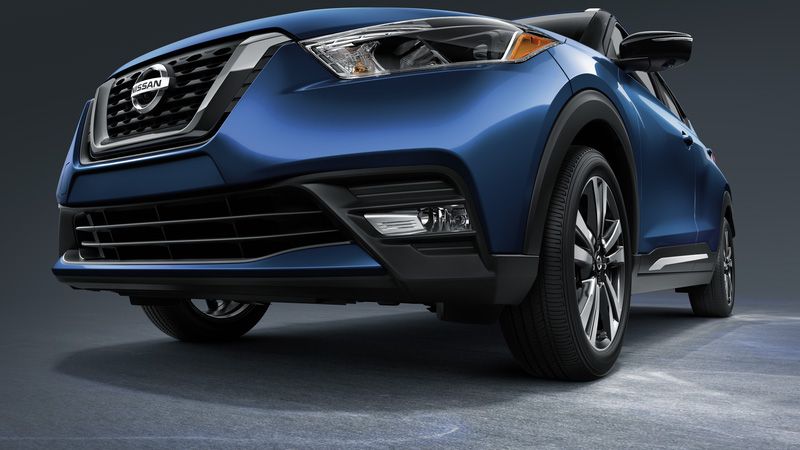
Fog lights are typically located on your vehicle's front end, underneath your headlights. They emit a wide beam of light that is low to the ground for increased visibility beneath the fog and short-ranged so that you can see the road directly in front of you. These lamps are especially useful in fog, as the light from regular headlights can cause glare and reflect light into your vehicle.
It's essential not to use the fog lights on their own due to their inability to help you see through fog and the low field of vision they provide. Always use your fog lights in conjunction with your low-beam headlights.
How to Use Fog Lights
Although your fog lights are most useful in foggy conditions, they could blind and reduce visibility for oncoming drivers. While using your lamps at the right time is imperative to combatting reduced visibility, turning them on at the wrong moment could prove hazardous and be against the legal requirements of use within your state.
It's essential to know how and when to use your fog lights.
How To Use Fog Lights On A Car
Read your Nissan's owner's manual to best understand how to use the fog lights on your specific make and model. However, in most cases, many Nissan vehicles feature a collar on the center of your headlight switch that you can use to toggle the fog lamps on and off. If your car is equipped with fog lights, here's how to activate them:
- Make sure that your low-beam headlights are on.
- Locate the middle collar of your headlight switch until you see the fog light symbol.
- Rotate the collar until you successfully turn your fog lights on.
- To deactivate your fog lights, turn the collar to "Off."
When To Use Your Fog Lights
- When visibility is less than about 300 feet: If your visibility is greater, you may not need to turn them on, as they can create an unnecessary glare in good visibility.
- While driving at slower speeds: Fog lights are designed to help you see markings on the road, such as lane arrows and lines on the road. They are not designed to help you see into the fog, making them less effective when driving on the highway.
- When there are no oncoming drivers: As previously mentioned, fog lights can pose a risk to oncoming drivers on the road if misused.
Signs You Need a Fog Light Replacement
Is it time to replace your Nissan's fog lights? Here are two of the most likely signs that you need new fog lights:
They Won't Turn On
If your fog lights aren't turning on, it's a clear indication that something is wrong. Broken bulbs, faulty relays, or wiring issues in your Nissan's electrical system could all contribute to fog light malfunctions. To best diagnose your fog light problem, have your vehicle inspected by a certified Nissan technician at your closest Nissan dealership.
They are Dim and/or Flickering
If your fog lights are not shining as expected, it may be a sign that the bulbs are worn or on their way out. In which case, it may be time to replace them. If both your fog lights and your headlights seem dimmer, you may have a bigger problem, such as an issue with your alternator, battery, or electrical system. As noted before, it's best to have a certified Nissan professional diagnose your fog light issues to locate the source of the problem.
Replace Your Nissan Fog Lights Today
Is your Nissan in need of new or replacement fog lights? Stop struggling with poor driving visibility, and replace your fog lights with new ones from Nissan Parts! Shop Nissan Parts & Accessories for genuine fog lights designed to fit your vehicle and keep you prepared.
Shop Fog Lights Shop Headlights Shop Lighting System Parts