


OEM Nissan A/C Hoses & Fittings
Transport Refrigerant Safely with A/C Hoses and Fittings
Ever wondered how your vehicle adapts to various driving conditions, or when it might need some expert attention? A/C hoses carry refrigerant between system components under high pressure. These specialized hoses include rubber interior layers, reinforcing fabric, and protective outer covers. Metal fittings crimped to hose ends create leak-free connections. Factory hoses use materials compatible with modern refrigerants and resist degradation from engine heat.
Understanding How Refrigerant Lines Work
Your A/C hoses handle pressures exceeding 400 psi on the high-pressure side. The inner liner prevents refrigerant permeation through the hose wall. Braided reinforcement provides burst strength. Outer covers protect against abrasion and heat from nearby engine components. Aluminum fittings use O-rings for sealing at connection points. High-pressure lines run from the compressor to the condenser. Low-pressure lines return refrigerant from the evaporator to the compressor. Nissan hoses for vehicles like the Pathfinder and Sentra include protective sleeves at high-heat areas. Quick-connect fittings speed service while maintaining seal integrity. Some systems use rigid aluminum lines in high-temperature zones. Hoses must route without sharp bends that restrict flow. Proper routing prevents contact with alternators and generators that generate heat.
What Makes Hoses and Fittings Leak
A/C hoses deteriorate from continuous exposure to engine heat and ozone. The rubber interior breaks down and allows refrigerant to escape through the hose wall. O-rings harden from heat cycling and lose sealing ability. Crimped fittings separate from the hose during vibration. Abrasion from contact with other components wears through the outer cover. Road debris impacts damage hoses and fittings. Cheap aftermarket hoses use materials incompatible with newer refrigerants. Overtightening fittings crushes O-rings and creates leak paths. Corrosion attacks aluminum fittings and threads. Improper installation creates stress points that accelerate failure. Oil contamination from a failed compressor degrades rubber compounds.
Spotting Hose and Fitting Problems
Replace A/C hoses when refrigerant levels drop repeatedly without visible leakage at fittings. Oily residue on hose surfaces indicates refrigerant seepage. Cracked or swollen hoses need immediate replacement. Test fittings with electronic leak detectors during service. The system loses cooling capacity gradually as hoses deteriorate. Most A/C hoses last 10 to 15 years before requiring replacement. Inspect hoses annually for damage or contact with hot components. Hard hoses that have lost flexibility indicate deterioration. Replace hoses when replacing the compressor to prevent contamination. Genuine Nissan hoses use correct materials and fitting types that maintain proper sealing, unlike universal aftermarket hoses that may not fit routing paths correctly or use inferior compounds that fail prematurely.
Keep your ride looking great and running smoothly with Nissan Canada's comprehensive selection.

A/C Refrigerant Liquid Hose
Nissan
924425BV5A
High side ac lines. #2 from 05/2024.
$77.72 CAD
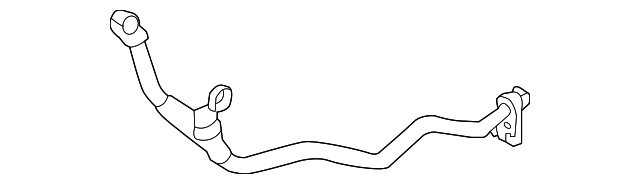
A/C Refrigerant Suction Hose
Nissan
924506WK0A
From 03/2021. A/C Suction Pipe. LEAF. Without hybrid heat. low.
$200.41 CAD

O-Ring
Nissan
924743NF0B
LEAF. At discharge hose. For A/C Refrigerant Discharge Hose. Low side ac lines, #2. Condenser & dehydrator. #2. Cold Weather Package....
$6.02 CAD

A/C Refrigerant Suction Hose
Nissan
924809PF0A
Pathfinder. 3.5L. From 07/2016.
$469.71 CAD


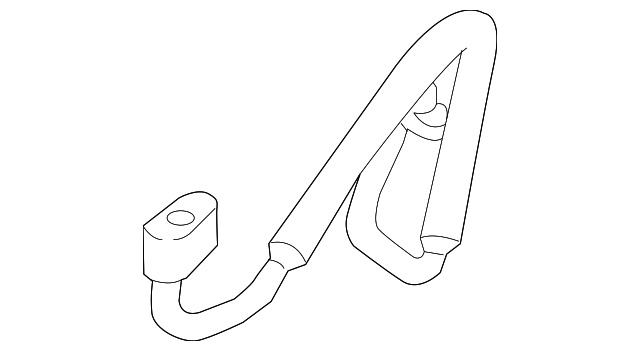

A/C Refrigerant Line O-Ring
Nissan
924766AU2A
For A/C Refrigerant Discharge Hose. Location-A/C Condenser Pipe Assy.
$13.72 CAD

A/C Refrigerant Discharge Hose
Nissan
924901PE0B
Nv full size Van. 4.0l. Nv full size Van. 5.6l. This item is non-returnable.
$298.17 CAD

Suction Hose
Nissan
924805SA5B
With hybrid heat. LEAF. Sv models. With all weather package. Cold Weather Package. Sl models. To 05/2021.
$331.32 CAD

A/C Pipe
Nissan
924473NK0B
2013-17, with heat pump. LEAF. With hybrid heat. A/C Discharge Pipe. To 05/2021.
$240.00 CAD