


OEM Nissan Blower Motors
availability
Circulate Cabin Air with Blower Motors
Don't compromise with unreliable alternatives when genuine components are within reach. That's where Nissan Canada excels. Blower motors force air through heating and air conditioning systems. These electric motors include fan assemblies, resistors, and mounting hardware. Factory blower motors provide adequate airflow across all speed settings. Quiet operation and long service life characterize quality motors.
How Blower Motors Move Air
Your blower motor spins a squirrel cage fan that draws air through the cabin filter. The motor mounts inside the HVAC housing under the dashboard. Speed control uses resistors or electronic modules to adjust motor voltage. Air flows through the heater core or evaporator before entering the cabin. The motor operates whenever climate control activates. Fan direction pulls air from outside or recirculates cabin air. Nissan blower motors for vehicles like the Murano and Versa include thermal protection against overheating. Brush-type motors use carbon brushes contacting the commutator. Some newer designs use brushless motors for longer life. The system works with AC and heating systems to deliver conditioned air. Multiple speed settings adjust comfort levels.
What Causes Blower Motor Failure
Blower motor bearings wear from continuous operation and create noise. Brushes deteriorate from friction and reduce motor power. Debris in the fan housing creates unbalanced rotation. Resistors burn out from excessive current flow. Electrical connections corrode and cause intermittent operation. Generic aftermarket motors often lack proper balance and vibrate excessively. Water intrusion from clogged drain tubes damages motor windings. Fan blades break from impact with foreign objects. Thermal overload from blocked airflow destroys motor windings. Poor-quality motors draw excessive current that damages wiring. Mounting hardware loosens from vibration.
Diagnosing Blower Motor Problems
Replace blower motors when airflow becomes weak or stops completely. Squealing or grinding noises indicate bearing failure. Motors that work only on high speed suggest resistor problems. Most blower motors last 100,000 to 200,000 miles. Test motor operation on all speed settings. Musty odors suggest biological growth in the HVAC system. Weak airflow despite a clean cabin filter indicates motor problems. Check for debris in the fan housing. Excessive current draw shows motor resistance issues. Genuine Nissan blower motors include proper balance and correct amperage draw that prevents electrical problems, unlike aftermarket motors that may be noisy or fail prematurely due to inferior bearings or windings.
Let Nissan Canada be your partner in maintaining your vehicle's performance and longevity.

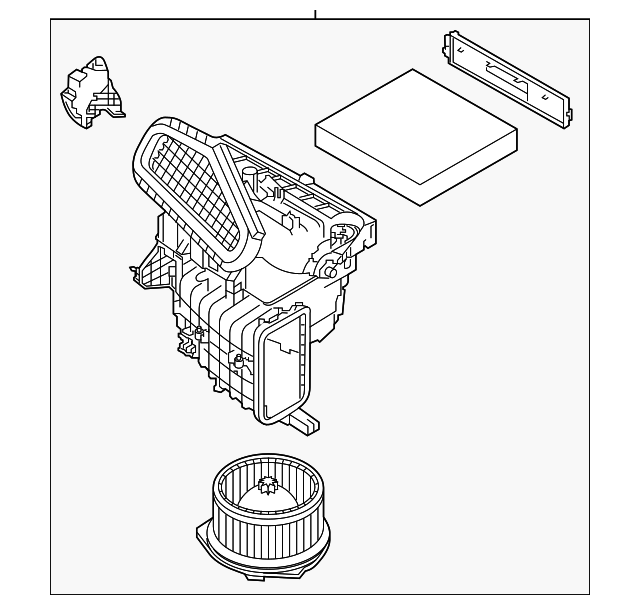
HVAC Blower Motor Assembly
Nissan
272206RF2D
Rogue. Us built. To 10/23. Pathfinder. Incl.Impeller and HVAC Blower Motor Control Module. Front. Armada. Japan built. USA Built. To...
$696.92 CAD


Blower Motor
Nissan
272207KA0A
Armada. Incl.Impeller and HVAC Blower Motor Control Module.
$649.93 CAD
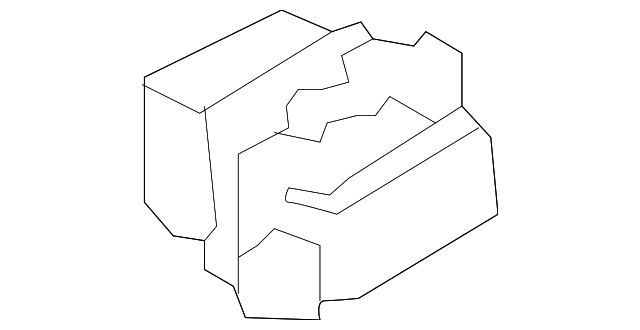
HVAC Blower Motor Control Module
Nissan
277615RB0A
LEAF. Versa. Automatic Temperature Controls. Kicks.
$119.30 CAD

HVAC Blower Motor Assembly
Nissan
27220EZ00A
Incl.Impeller. Nv full size Van. To 5/18. TITAN XD, TITAN. From 5/18. To 12/2021. From 05/2018. To 05/2018.
$502.45 CAD


Blower Motor
Nissan
272206SA0D
Frontier. From 08/23. Incl.Impeller and HVAC Blower Motor Control Module. From 08/2023. USA Built. Rogue. Us built. From 10/23. From...
$430.81 CAD

Blower Motor
Nissan
273751LA1A
Nv full size Van. Incl.Impeller and HVAC Blower Motor Control Module. Armada. Quest. Rear.
$444.57 CAD

HVAC Blower Motor Control Module
Nissan
277614BA0A
TITAN XD, TITAN. Exc.Automatic Temperature Controls. For Primary HVAC. Rear. For Auxiliary HVAC. Sentra. 2008-12. Rogue, Rogue Select....
$326.32 CAD

Resistor
Nissan
271503DN0A
Exc.Automatic Temperature Controls. Juke. Cube. Kicks.
$82.16 CAD
