


OEM Nissan Air Intake Systems
availability
Boost Airflow with Air Intake Systems
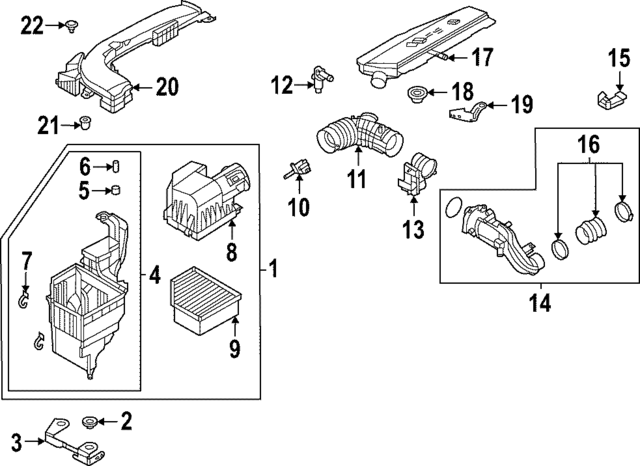
Why shell out big bucks for parts you're not sure will fit? Air intake systems deliver air from outside the vehicle to the engine. These assemblies include intake tubes, airboxes, filters, and mounting brackets. Performance intake systems use smooth tubes and high-flow filters to reduce restriction. Factory systems balance airflow, noise reduction, and protection from water and debris.
How Intake Systems Deliver Air
Your intake system pulls air from outside the engine compartment where temperatures are cooler. The intake tube connects the air filter housing to the throttle body. Cooler air contains more oxygen molecules for better combustion. Smooth tube interiors reduce turbulence and pressure loss. Some systems include resonance chambers that cancel specific sound frequencies. The mass airflow sensor measures intake volume for fuel calculations. Nissan intake systems for vehicles like the 370Z and Titan include ducting that routes fresh air efficiently. Rubber mounting isolators prevent vibration transmission. Air filters attach to the system inlet. Heat shields separate intake components from engine heat sources. Performance systems use mandrel-bent tubes that maintain constant diameter through curves.
What Causes Intake Systems to Fail
Intake tubes crack from age and heat exposure. Rubber couplers dry out and develop air leaks. Mounting brackets break from engine movement. Water enters the system during flooding or deep water crossings. Loose clamps allow connections to separate. Generic aftermarket intakes often lack proper fitment and contact hot components. Oiled performance filters contaminate mass airflow sensors. Poor installation creates boost leaks on turbocharged engines. Plastic tubes become brittle and shatter. Heat soak from proximity to exhaust components reduces performance. Debris enters through damaged filters.
When Your Intake Needs Replacement
Replace intake components when you hear whistling sounds indicating air leaks. Check engine lights triggered by mass airflow sensor codes often result from intake leaks. Reduced throttle response suggests restricted airflow. Inspect rubber connections annually for cracks or softening. Most intake systems last 80,000 to 120,000 miles. Tighten clamps during routine service to prevent leaks. Water-damaged intakes require immediate replacement to prevent engine damage. Performance modifications may require recalibration of engine management. Test for leaks by spraying soapy water on connections while the engine runs. Genuine Nissan intake systems include properly sized components and correct sensor mounting that maintains factory performance, unlike universal aftermarket intakes that may trigger fault codes or reduce reliability.
Minimize garage time and maximize road time with genuine components from Nissan Canada.



Hinge Bolt
Nissan
01125A8161
Shifter components. Front drive mounts. Conventional. Awd, type 1. Fwd, type 1. #2.
$0.80 CAD
