


OEM Nissan Alternators & Generators
availability
Category
Brand
Product Type
Charge Your Battery with Alternators and Generators
At Nissan Canada, we understand that every component in your vehicle contributes to both your comfort and safety on the road. Alternators generate electrical power while the engine runs. These belt-driven units include a rotor, stator, diodes, voltage regulator, and housing. Factory alternators provide correct amperage output for your vehicle's electrical demands. Reliable charging prevents battery drain and powers all electrical accessories.
How Your Alternator Charges the Battery
Your alternator converts mechanical energy from the engine into electrical current. The serpentine belt spins the alternator pulley and rotor assembly. Rotation creates a magnetic field that induces current in the stator windings. Diodes rectify alternating current into direct current for battery charging. The voltage regulator adjusts field strength to maintain steady output voltage. Current flows through heavy-gauge cables to the battery and electrical system. Nissan alternators for vehicles like the Leaf and Xterra deliver precise voltage control for sensitive electronics. Output increases with engine speed to meet electrical demands. A cooling fan inside the housing prevents overheating. Battery voltage determines charging rate. The system integrates with battery cables and connectors for power distribution.
What Causes Alternators to Stop Working
Alternator bearings seize from lack of lubrication or contamination. Diode bridges fail from heat stress or electrical overload. Voltage regulators malfunction from age or power surges. Belt wear or breakage stops the alternator from spinning. Stator windings short to ground when insulation fails. Slip rings wear down and lose contact with brushes. Generic aftermarket alternators often provide incorrect output for modern electrical systems. Water damage from road spray or coolant leaks destroys internal components. Loose mounting bolts allow excessive movement and bearing damage. Corroded connections create high resistance and heat buildup. Jump-starting procedures done incorrectly spike voltage and damage electronics.
Testing Your Alternator Output
Replace the alternator when battery voltage drops below 12.4 volts with the engine running. Flickering dashboard lights indicate charging problems. Strange noises like grinding or squealing come from failing bearings. Test output with a multimeter—proper voltage reads 13.5 to 14.5 volts at the battery. Most alternators last 100,000 to 150,000 miles. Inspect the belt for cracks or glazing during service. Electrical smell or smoke from the alternator requires immediate attention. Dead battery after short trips suggests inadequate charging. Check all connections for corrosion and tightness. Genuine Nissan alternators include proper output ratings and thermal protection that prevents damage to vehicle electronics, unlike remanufactured units that may have worn internal components or incorrect voltage regulation.
Get your vehicle off the lift and back on the street faster with Nissan Canada's genuine products.


Value Advantage™ VALUE ADVANTAGE REMAN ALTERNATOR
Nissan
2310M3RZ1ARW
NV200. From 04/16. From 04/2016. To 02/2015.
$802.98 CAD


Value Advantage™ VALUE ADVANTAGE REMAN ALTERNATOR
Nissan
2310MEA00BRW
4.0L. Frontier. 2.5l. From 06/05. To 09/05.
$657.25 CAD

Value Advantage™ VALUE ADVANTAGE REMAN ALTERNATOR
Nissan
2310M3FY1ARW
370Z. From 02/2010.
$430.05 CAD


Value Advantage™ VALUE ADVANTAGE REMAN ALTERNATOR
Nissan
2310M8J10BRW
Altima. 3.5l. From 01/05. To 06/05. From 06/05.
$660.81 CAD

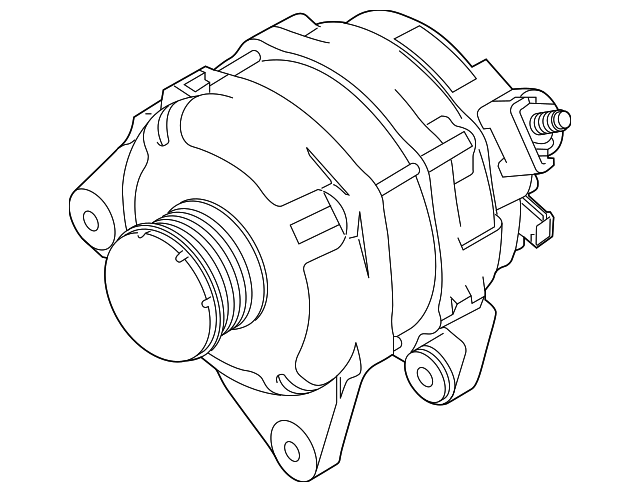


Value Advantage™ VALUE ADVANTAGE REMAN ALTERNATOR
Nissan
2310MJA11RRW
Quest. Murano. Altima. 3.5l. Maxima. To 09/2017. To 10/2017. From 09/2016.
$708.31 CAD