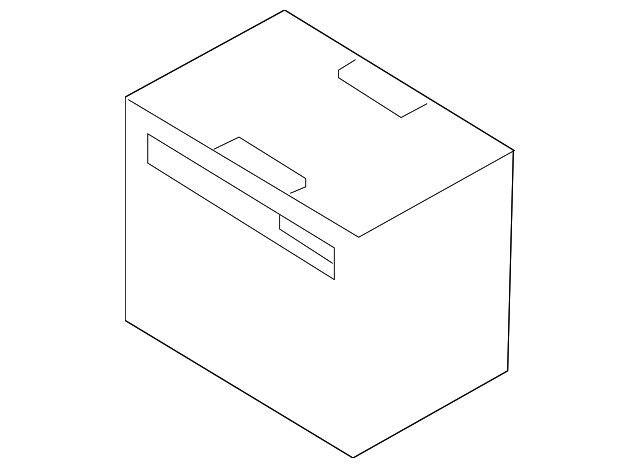


OEM Nissan Batteries
Start Your Engine with Confidence with a Nissan OEM Battery
Want to avoid the expense of a new vehicle? Keep your current one in prime condition with parts from Nissan Canada. Batteries store electrical energy for starting and accessory operation. These lead-acid cells include positive and negative plates submerged in electrolyte solution. Factory-specification batteries provide adequate cold cranking amps for reliable starting. Proper battery capacity prevents electrical system strain.
How Your Battery Stores and Delivers Power
Your battery uses chemical reactions to store and release electrical energy. Lead plates alternate with lead dioxide plates inside each cell. Sulfuric acid electrolyte facilitates electron transfer between plates. Six cells connected in series produce 12 volts. During discharge, lead sulfate forms on both plate types while releasing electrons. Charging reverses the chemical process and restores capacity. Cold cranking amps measure starting ability in cold weather. Nissan batteries for vehicles like the Leaf and Rogue include specific dimensions that fit factory trays. Reserve capacity indicates how long the battery powers accessories without the alternator. Absorbed glass mat batteries handle deep discharge cycles better. Terminals provide connection points for cables. The battery works with alternators and generators to maintain electrical system voltage.
What Shortens Battery Life
Batteries fail from plate sulfation that occurs during extended discharge periods. Extreme temperatures accelerate chemical reactions and shorten life. Vibration from loose mounting damages internal plate connections. Corrosion at terminals creates high resistance. Overcharging from faulty alternator regulators warps plates. Generic aftermarket batteries may lack adequate cold cranking amps. Deep discharge cycles damage plates in standard batteries. Internal short circuits develop from plate deterioration. Electrolyte loss from overcharging exposes plates to air. Parasitic electrical draws slowly discharge batteries. Age-related capacity loss reduces available amperage.
Testing Battery Condition
Replace batteries when load testing shows less than 75 percent of rated capacity. Slow cranking indicates reduced battery power. Most batteries last 3 to 5 years in moderate climates. Test batteries twice yearly before summer and winter. Swollen battery cases indicate internal damage from overcharging. Voltage below 12.4 volts with the engine off suggests discharge or failure. Check terminals for corrosion buildup that prevents charging. Battery warning lights may indicate alternator or battery problems. Cold weather exposes weak batteries that work in summer. Genuine Nissan batteries include correct specifications for starting demands and fit properly in battery trays, unlike economy batteries that may not provide adequate power or withstand temperature extremes.
Nissan Canada has all the components you're looking for your upcoming restoration or repair.

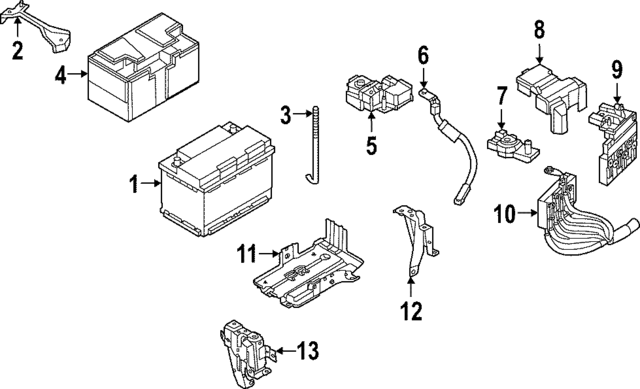
Battery
Nissan
999M1NCH7A
Sl, platinum, rock creek, to 11/2022. S, sv, to 01/2023. This item is non-returnable.
$763.09 CAD
MSRP $763.09 CAD