


OEM Nissan Camshafts, Lifters & Parts
Control Valve Timing with Camshafts, Lifters and Parts
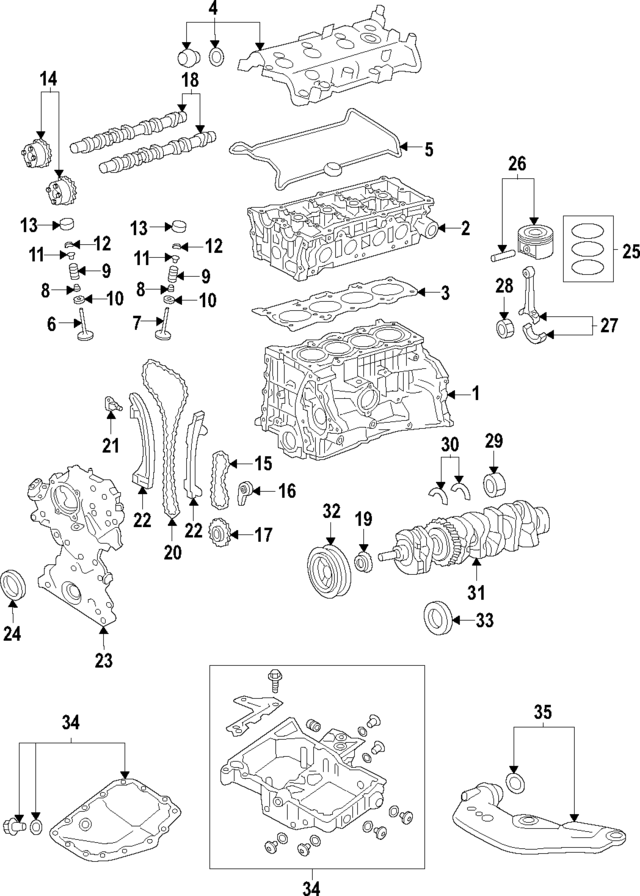
Your vehicle's vital systems work tirelessly to keep you moving. Regular maintenance is key to ensuring their longevity and efficiency. Camshaft assemblies include the shaft, lobes, bearings, and lifters that operate valves. These components control intake and exhaust valve timing. Factory camshafts use specific lobe profiles designed for power and efficiency balance. Precise manufacturing ensures proper valve operation throughout the RPM range.
How Camshaft Systems Operate Valves
Your camshaft rotates at half engine speed driven by timing chain or belt. Lobes on the shaft push against lifters or directly on valve stems. Lobe shape determines valve lift and duration. Lifters transfer motion from cam lobes to pushrods or valves. Hydraulic lifters automatically adjust for wear and maintain zero valve lash. Roller lifters reduce friction compared to flat tappet designs. Nissan camshafts for vehicles like the Maxima and Titan use specific materials hardened for wear resistance. Bearings support the shaft in the cylinder head or block. Variable valve timing adjusts cam position relative to the crankshaft. Oil passages lubricate all moving surfaces. The system works with valve covers to enclose components. Cam position sensors monitor shaft location for ignition timing.
What Wears Out Camshaft Components
Camshaft lobes wear from inadequate lubrication or contaminated oil. Lifter bores develop scoring from debris or lack of oil. Hydraulic lifters collapse when internal check valves fail. Cam bearings wear from oil starvation. Timing chain or belt failure allows valve-to-piston contact that damages everything. Generic aftermarket cams often use inferior materials that wear quickly. Oil passage restrictions starve components of lubrication. Overheating breaks down oil film. Excessive valve spring pressure accelerates lobe wear. Debris from failed engine components destroys camshaft surfaces. Poor-quality oil doesn't protect at high temperatures.
Identifying Camshaft Problems
Replace camshaft components when you hear tapping or clicking from the valve cover area. Loss of power indicates worn lobes reducing valve lift. Most camshafts last 150,000 to 200,000 miles with proper oil changes. Check oil pressure—low pressure accelerates wear. Rough idle suggests collapsed lifters. Oil analysis reveals metal particles from wear. Valve lash that won't adjust indicates lifter problems. Timing chain wear affects cam position. Remove valve covers to inspect lobe condition during major service. Genuine Nissan camshafts include correct lobe profiles and proper hardening that provides long service life, unlike aftermarket cams that may not match valve spring rates or use adequate materials causing premature wear.
Trust custom made genuine OEM parts from Nissan Canada for your next repair.

Engine Camshaft Follower
Nissan
132316CA5A
USA Built. 3.50mm. From 10/2013. 3.50mm. Frontier. 3.50.
$37.35 CAD

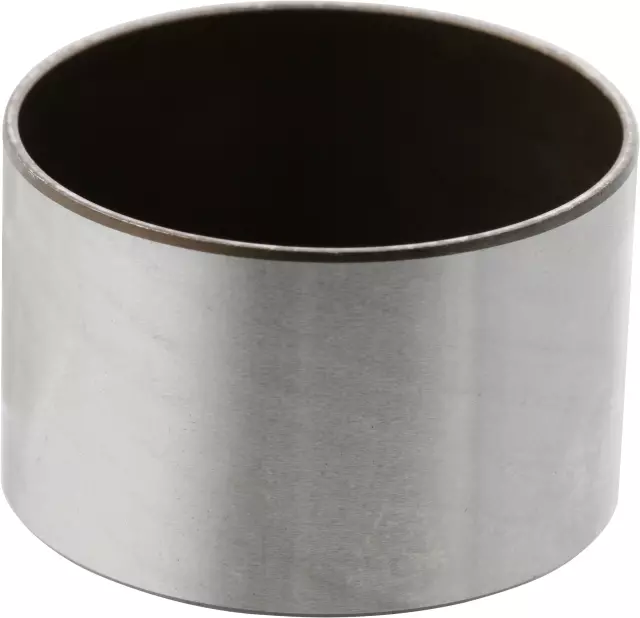
Engine Camshaft Follower
Nissan
132319FT2B
Exhaust. 3.22mm. Intake. 3.22mm. Japan Built. 3.22mm. From 02/2015. Korea Built Vehicle. 3.22mm. From 01/2013. 3.22mm.
$40.53 CAD

Engine Camshaft
Nissan
13020EA025
Fits Frontier, NV1500, NV2500, NV3500, Pathfinder, Xterra Xterra. Frontier. Pathfinder. Camshaft set. Nv Full size Van. Incl.Four...
$1,155.67 CAD

Rocker Pivot
Nissan
1323453J01
Sentra, NX. Sentra, 200SX. Maxima. Vendor:FUJI. Vendor:unisia/jecs.
$299.24 CAD