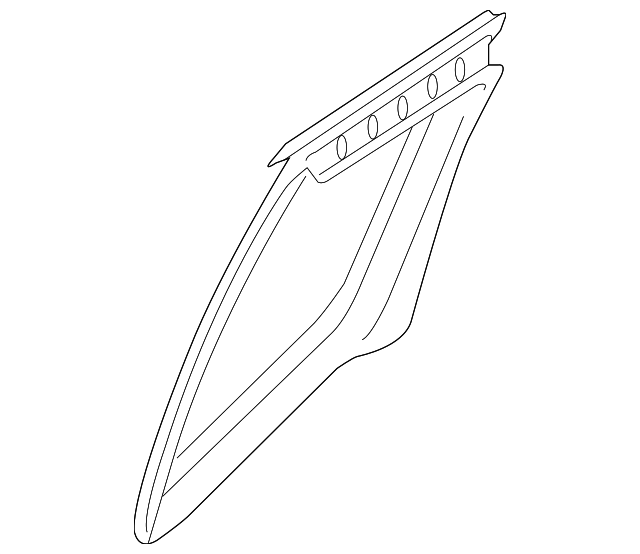


OEM Nissan Auto Seals
Seal Your Vehicle with Auto Seals
Why pay inflated prices elsewhere for authentic OEM parts when Nissan Canada offers competitive rates? Auto seals include door weatherstripping, window seals, trunk seals, and sunroof gaskets. These rubber components prevent water, air, and noise from entering the cabin. Factory seals use compounds resistant to temperature extremes and UV degradation. Proper sealing maintains cabin comfort and prevents rust formation.
How Seals Keep Water and Air Out
Your auto seals compress between body panels and closures to create weathertight barriers. Door seals mount in channels around door openings using retaining lips. Window seals guide glass during operation while blocking air flow. Bulb-style seals compress more effectively than flat designs. The rubber compound remains flexible across temperature ranges from minus 40 to plus 180 degrees Fahrenheit. Nissan seals for vehicles like the Kicks and Frontier include correct durometer hardness for proper compression. Multiple seal beads provide redundant protection. Some seals include metal or plastic cores for shape retention. Adhesive backing secures seals in channels. Proper compression prevents wind noise at highway speeds. Seals work with auto glass to maintain cabin integrity. Sunroof drains route water away from seal areas.
What Causes Seals to Fail
Auto seals harden from UV exposure and lose flexibility. Temperature cycling causes rubber to crack along fold lines. Cleaning chemicals degrade the rubber compound. Door seals tear from repeated opening and closing. Adhesive backing fails and allows seals to pull away from mounting surfaces. Generic aftermarket seals use inferior compounds that shrink or swell. Improper installation creates gaps that allow leaks. Animal damage from nesting rodents destroys seals. Petroleum products soften rubber and cause swelling. Freezing weather makes seals brittle. Age-related compression set prevents seals from returning to original shape.
Identifying Worn Seals
Replace seals when water enters the cabin during car washes or rain. Wind noise at highway speeds indicates seal compression loss. Visual inspection shows cracks, tears, or hardening. Press on seals—they should feel soft and resilient. Most door seals last 7 to 12 years depending on climate. Check seal compression by closing doors on paper—difficulty pulling paper out indicates good seal. Water stains on interior trim below windows suggest seal failure. Increased road noise points to deteriorated seals. Musty odors from moisture intrusion require seal inspection. Genuine Nissan seals fit precisely in body channels and use compounds that maintain flexibility, unlike universal seals that may not provide adequate compression or weather resistance.
From restorations to modifications and repairs, the Nissan Canada parts department has everything you need.


Windshield Frame Weatherstrip Seal
Nissan
G2G1689900
2020-24. Dam. 5000 x 6.0. 2017-19. King cab. Van/wagon,. Without nismo. Convertible,.
$72.63 CAD