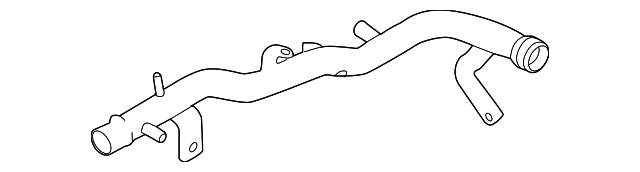


OEM Nissan Coolant
Regulate Temperature on Every Road with Nissan Coolant
At Nissan Canada, we understand that every component in your vehicle contributes to both your comfort and safety on the road. Coolant prevents engine overheating while protecting against freezing and corrosion. This liquid mixture circulates through the engine, radiator, and heater core. Factory-specification coolant includes additives designed for specific engine materials. Proper concentration maintains protection across temperature extremes.
How Coolant Protects Your Engine
Your coolant absorbs combustion heat from cylinder walls and heads. The water pump circulates coolant through engine passages to the radiator. Heat transfers from coolant to air flowing through radiator fins. The mixture returns to the engine to repeat the cycle. Ethylene glycol or propylene glycol base prevents freezing in winter. Additives protect aluminum, iron, and copper from corrosion. Lubricants in coolant preserve water pump seals and bearings. Nissan coolant for vehicles like the Rogue and Frontier includes specific inhibitor packages for long life. The mixture raises boiling point preventing overheating under load. Proper concentration typically uses a 50/50 blend with distilled water. The system works with antifreeze for complete temperature regulation. Pressure in the system further raises boiling point.
What Degrades Coolant
Coolant breaks down from heat exposure depleting corrosion inhibitors. Contamination from oil or combustion gases alters chemistry. Dilution from adding water weakens freeze protection. Electrolysis from improper grounds creates acidic coolant. Generic aftermarket coolants may lack adequate additive packages. Rust particles from unprotected surfaces contaminate the system. Old coolant becomes acidic and attacks metal components. Mixing incompatible coolant types creates sludge. Overheating accelerates chemical breakdown. Leaking head gaskets introduce combustion products. Air in the system reduces cooling capacity.
Testing and Changing Coolant
Replace coolant according to maintenance schedules, typically every 5 to 10 years. Test concentration with a refractometer to verify freeze protection. Most modern coolants last 100,000 to 150,000 miles. Brown or rusty coolant indicates contamination requiring immediate change. Check pH levels—acidic coolant below 7.0 needs replacement. Oil contamination creates milky appearance. Flush the system completely when changing coolant types. Never mix different color or formulation coolants. Top off with proper mixture, not straight water. Genuine Nissan coolant includes the correct inhibitor package designed for aluminum engines and provides long-term corrosion protection, unlike generic coolants that may not be compatible with factory materials or provide adequate protection causing premature component failure.
Nissan Canada is your one-stop shop for keeping your vehicle in top condition.



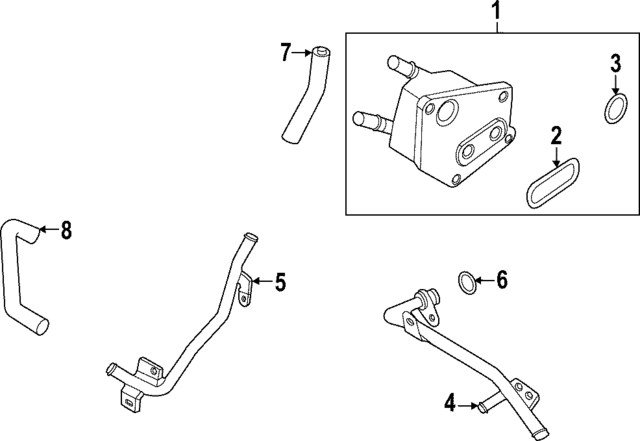

Engine Coolant Hose
Nissan
213068Y000
Engine Oil Cooling. Outlet. Cooler to Pipe. #1, auto trans, se. #1, auto trans, sl.
$15.75 CAD

Engine Coolant Hose
Nissan
21306EA21A
Engine Oil Cooling. Outlet. Cooler to Pipe. 4.0L, #4. Frontier. Feed. 3.8L, front.
$22.72 CAD


Engine Coolant Thermostat
Nissan
212005RF3A
Incl.Gasket. Versa. From 10/2021. To 06/2020. Kicks Play.
$27.92 CAD