


The Fall Car Care Checklist Your Nissan Craves
October 1, 2020
Updated August 9, 2021
The weather is getting colder, which means it's time to get your Nissan prepped for the winter weather ahead! The cold can take a heavy toll on car parts and performance, so it's a good idea to get your fall car care out of the way before temperatures plummet. With the fall car care checklist below, your Nissan will be better prepared to handle snowy weather and icy streets!
Battery & Terminals
First and foremost, check that your Nissan's battery is in good working condition. Cold weather means batteries can produce less electrical current than usual, which means you may have trouble starting your car if the battery is old or has a poor connection.
To make sure you're getting the most out of your car battery, check that the cables and terminals are clean and tightly secured. If you notice corrosive buildup around the terminals, clean the terminals with a wire brush and a solution of water mixed with one teaspoon of baking soda. Make sure to wear gloves, as battery buildup could hurt your skin. Consult your Nissan owner's manual for more information about your battery connections.
If you know your battery is already reaching the end of its life, consider replacing it entirely to avoid getting stranded with a dead battery in the middle of winter. If in doubt, consider visiting your nearest Nissan service center for a complimentary battery test.
Tires & Tread
Checking your tire tread monthly is good practice to make sure your tires can grip the road properly. This is especially important in winter when you may face increasingly wet and icy conditions. Take a look at each of your tires and ensure the tread depth is at least 2/32-inch deep. A quick way to measure this is by using an upside-down penny ‐ if Abe's entire head is visible, you've lost too much tread, and it's time for new tires. Check each tire in several areas across the tread since tires don't always wear evenly.
Most people tend to use all-season tires to avoid the hassle of changing to winter tires every year. All-season tires will perform just fine in most conditions, including light snow. However, if you plan on driving anywhere with heavy snowfall and icy conditions, consider putting winter tires on your car. Winter tires tend to give you much more traction on snow-covered roads than all-season tires do.
Colder weather also means your tires may lose pressure. Tires tend to lose one PSI for every 10-degree drop in Fahrenheit. Check all four tires and, if necessary, inflate them back to the recommended PSI in your owner's manual.
Lights
Headlights, taillights, and blinkers are another critical consideration for fall maintenance. Perform a check to ensure no light bulbs are burnt out and that the lights operate as normal. Replace any bulbs that have gone out.
If all the lights are in working order, take a look at the lenses around your headlights. Are they dim and cloudy? According to some reports, clouded lenses can compromise nighttime visibility by reducing the light from your headlights by up to 80%. Low visibility combined with wintry conditions can be a dangerous mix. Headlight restoration kits can help clean up the fogginess in your headlights and are fairly inexpensive.
Brakes
Are your brakes making funny sounds while you drive? A grinding or squealing noise usually indicates that your brake pads have worn thin. If you hear strange brake noises, we recommend getting your brakes serviced at the next available opportunity.
Wipers
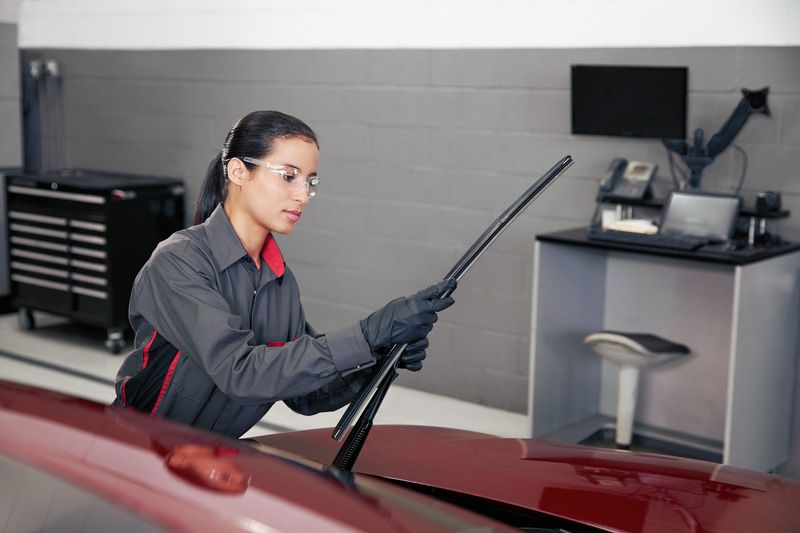
Wiper blades shouldn't leave any streaks or patches of water behind when they swipe across your windshield. Good contact with the glass of your windshield is essential to maintaining visibility in the rain and snow. Since wiper blades degrade over time, they should normally be replaced once or twice a year as needed.
If your wipers are relatively new but have started leaving streaks, you can wipe the blade with glass cleaner to restore its effectiveness. If you find yourself driving in the snow frequently, consider using winter wiper blades. Winter wiper blades use a rubber frame to clear away snow better and prevent ice from forming on the windshield.
Fluids
You need to stay hydrated no matter the season, and so does your Nissan! Check the level of your car's critical fluids. This includes the transmission fluid, brake fluid, and power steering fluid that help you keep control of your vehicle. If necessary, have a Nissan Certified Technician exchange and replace any old or dirty fluid.
Similarly, check the level of engine coolant and wiper fluid. Ensure that both these fluids have sufficient antifreeze components to withstand subfreezing temperatures during winter.
Emergency Road Kit
While it's generally a good idea to always carry an emergency kit with road trip essentials in your vehicle, winter weather presents new challenges. Therefore, it can also require a few special additions to your kit. Here are some items that are ideal for your winter emergency road kit:
- Mobile phone pre-programmed with rescue apps and important phone numbers including family and emergency services
- Car charger
- Drinking water
- First-aid kit
- Non-perishable snacks for both human and pet passengers
- Bag of abrasive material (sand, salt, cat litter) or traction mats
- Snow shovel
- Blankets
- Extra warm clothing (gloves, hats, scarves)
- Flashlight with extra batteries
- Window washer solvent
- Ice scraper with brush
- Cloth or roll of paper towels
- Jumper cables
- Warning devices (flares or triangles)
- Basic toolkit (screwdrivers, pliers, adjustable wrench)
Genuine Nissan Parts? Check.
From upgrading your tires to verifying all your wiper blades are in order, fall is the perfect opportunity to get your Nissan performing at its best! Make sure you have the right tools and parts for the job with genuine Nissan parts made for your vehicle.
Shop Nissan Electrical Parts Shop Nissan Wiper Blades Shop All Nissan Parts